Career Success Strategies in Imaging: Excelling in Medical Imaging Positions
- Jan 21
- 4 min read
Stepping into the world of medical imaging is both exciting and challenging. If you’re aiming to excel in medical imaging positions, you’re in the right place. We’ve gathered practical insights and career success strategies in imaging that will help you stand out and thrive in this dynamic field. Whether you’re just starting or looking to advance, these tips will empower you to reach your professional goals with confidence.
Understanding the Medical Imaging Landscape
Medical imaging is a cornerstone of modern healthcare. It involves using advanced technology to create visual representations of the inside of the body. This helps doctors diagnose, monitor, and treat various conditions. As technology evolves, so do the roles and expectations for imaging professionals.
To excel, you need to understand the tools and techniques that define your role. This includes mastering modalities like X-ray, MRI, CT scans, and ultrasound. Each has its own protocols and safety standards. Staying current with these is essential.
For example, if you specialize in MRI, knowing how to optimize image quality while ensuring patient safety is crucial. This means understanding magnetic fields, contrast agents, and patient positioning. The more you know, the more confident and effective you become.
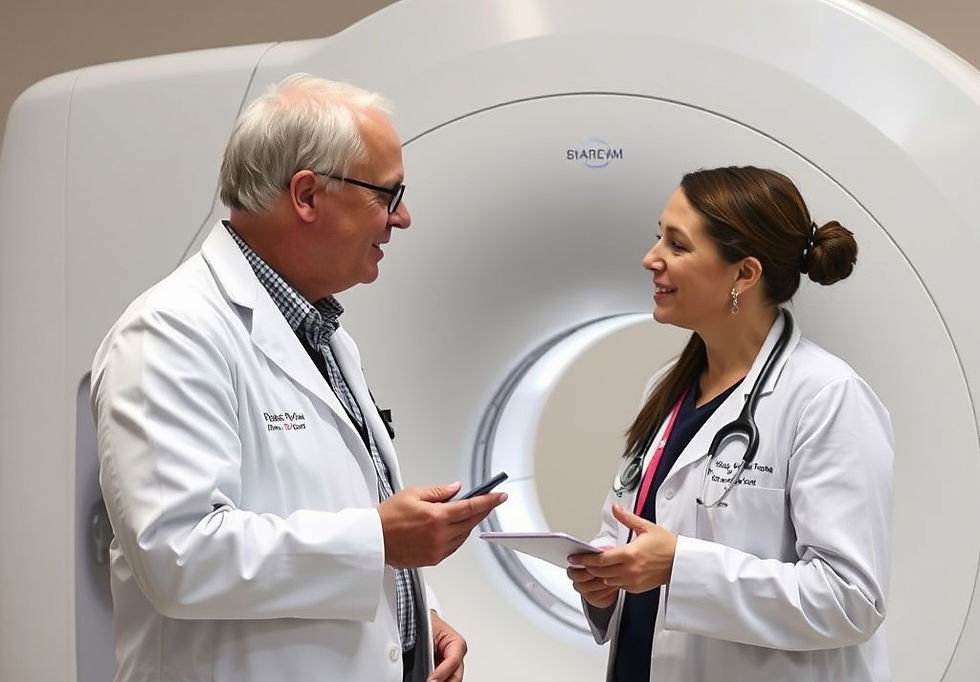
Career Success Strategies in Imaging: Building Your Expertise
How do you build expertise that sets you apart? It starts with continuous lear ning. The medical imaging field is always advancing, so staying updated is non-negotiable. Here are some actionable steps:
Pursue certifications and advanced training: Certifications like the Canadian Association of Medical Radiation Technologists (CAMRT) credentials can boost your credibility.
Attend workshops and conferences: These events offer hands-on experience and networking opportunities.
Engage in peer learning: Collaborate with colleagues to share knowledge and solve challenges.
Utilize online resources: Websites, webinars, and journals keep you informed about the latest research and technology.
Remember, expertise isn’t just about technical skills. Communication plays a huge role. You’ll often explain procedures to patients or collaborate with healthcare teams. Clear, compassionate communication builds trust and improves patient outcomes.
Navigating the Work Environment and Team Dynamics
Working in medical imaging means being part of a larger healthcare team. Your role intersects with radiologists, nurses, technologists, and administrative staff. Excelling here means mastering teamwork and adaptability.
Ask yourself: How can I contribute positively to my team? Here are some tips:
Be proactive: Anticipate needs and offer help before being asked.
Stay organized: Efficient workflow reduces errors and stress.
Practice empathy: Patients may be anxious or uncomfortable. Your calm demeanor can make a big difference.
Embrace feedback: Constructive criticism is a tool for growth, not a setback.
In Ontario’s healthcare facilities, where patient volumes can be high, these soft skills are invaluable. They help maintain a smooth, patient-centered environment.

Leveraging Technology for Career Growth
Technology is at the heart of medical imaging. To excel, you must not only use current equipment effectively but also be ready to adapt to new innovations. Here’s how you can leverage technology for your career:
Master digital imaging software: Familiarize yourself with Picture Archiving and Communication Systems (PACS) and Radiology Information Systems (RIS).
Stay informed about AI and automation: These tools are transforming image analysis and workflow.
Participate in pilot programs: If your facility tests new technology, volunteer to be involved.
Develop troubleshooting skills: Being the go-to person for technical issues makes you indispensable.
By embracing technology, you position yourself as a forward-thinking professional. This mindset aligns perfectly with the goals of Human Integrity HR, which aims to connect top talent with leading facilities in Ontario.
Advancing Your Career: Beyond the Basics
Once you’ve built a solid foundation, it’s time to think about advancement. How do you move from a competent technologist to a leader in medical imaging?
Seek leadership roles: Supervisory or training positions allow you to influence practice standards.
Engage in research: Contributing to studies or quality improvement projects enhances your profile.
Network strategically: Connect with professionals across Ontario to learn about new opportunities.
Consider specialization: Areas like nuclear medicine or interventional radiology offer unique career paths.
Remember, career growth is a journey. Celebrate small wins and keep your eyes on long-term goals. With dedication, you can become a recognized expert in your field.
Embracing a Growth Mindset for Long-Term Success
Excelling in medical imaging positions requires more than skills and knowledge. It demands a growth mindset - the belief that you can improve through effort and learning. This attitude helps you navigate challenges and seize opportunities.
Ask yourself: What can I learn from today’s experiences? How can I improve tomorrow? This reflective practice keeps you motivated and resilient.
Also, don’t hesitate to seek mentorship. Experienced professionals can offer guidance and encouragement. Remember, you’re not alone on this path!
By adopting these career success strategies in imaging, you’re not just advancing your career - you’re contributing to better healthcare outcomes across Ontario.
I hope these insights inspire you to take bold steps in your medical imaging career. Remember, every expert was once a beginner who chose to keep learning and growing. Why not make today the day you commit to excelling in your role? Your future self will thank you!


Comments