Understanding Healthcare Recruitment Strategies in Canada
- Apr 9
- 5 min read
Healthcare recruitment in Canada is a dynamic and essential process, especially for specialized fields like diagnostic imaging. With the healthcare landscape constantly evolving, finding the right professionals to fill critical roles is more important than ever. This article explores the ins and outs of healthcare recruitment strategies in Canada, focusing on how facilities and professionals can navigate this complex terrain effectively.
The Importance of Healthcare Recruitment Strategies
Recruitment in healthcare is not just about filling vacancies. It’s about matching the right skills with the right roles to ensure quality patient care. In Ontario, where diagnostic imaging plays a crucial role in patient diagnosis and treatment, recruitment strategies must be precise and well-planned.
Healthcare recruitment strategies involve a mix of traditional and innovative approaches. These strategies help healthcare facilities attract, engage, and retain top talent. For example, targeted job postings, partnerships with educational institutions, and leveraging digital platforms are common tactics. But why are these strategies so vital?
Addressing Skill Shortages: Many healthcare sectors face shortages, especially in specialized areas like MRI technologists or radiologists.
Improving Patient Outcomes: Skilled professionals directly impact the quality of care.
Reducing Turnover: Effective recruitment leads to better job satisfaction and retention.
By understanding and implementing these strategies, healthcare facilities can build strong teams that meet the demands of modern healthcare.
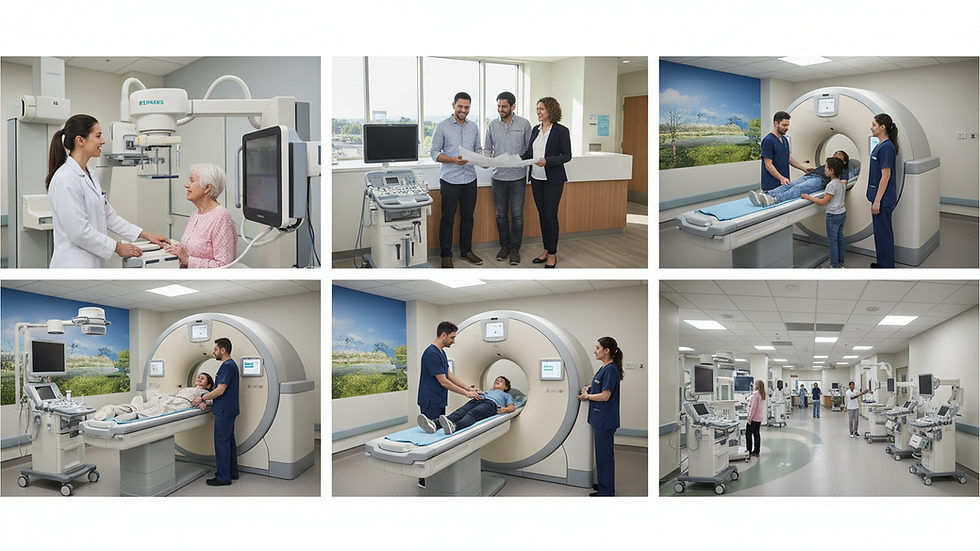
Key Healthcare Recruitment Strategies in Ontario
Ontario’s healthcare system is unique, with specific challenges and opportunities. Here are some of the most effective healthcare recruitment strategies tailored for this region:
1. Building Strong Partnerships with Educational Institutions
Collaborating with colleges and universities that offer diagnostic imaging programs is a smart way to tap into fresh talent. These partnerships can include:
Internship and co-op programs
Guest lectures and workshops
Career fairs and recruitment events
Such initiatives help facilities connect with students early, making it easier to recruit them once they graduate.
2. Utilizing Digital Recruitment Platforms
In today’s digital age, online job boards, social media, and professional networks like LinkedIn are invaluable. They allow recruiters to:
Reach a wider audience quickly
Target specific skill sets and certifications
Showcase the facility’s culture and benefits
For example, posting detailed job descriptions with clear expectations and growth opportunities can attract motivated candidates.
3. Offering Competitive Compensation and Benefits
Salary is a significant factor, but benefits like flexible schedules, professional development, and wellness programs also matter. Facilities that invest in their employees’ well-being tend to attract and retain top talent.
4. Streamlining the Hiring Process
A lengthy or complicated hiring process can deter candidates. Simplifying application steps, providing timely feedback, and maintaining clear communication make a big difference.
5. Emphasizing Diversity and Inclusion
Healthcare serves diverse populations, so having a diverse workforce is essential. Recruitment strategies should promote inclusivity to attract candidates from various backgrounds.
These strategies, when combined, create a robust recruitment framework that meets Ontario’s healthcare needs.
Challenges in Healthcare Recruitment and How to Overcome Them
Recruiting healthcare professionals, especially in specialized fields like diagnostic imaging, comes with its own set of challenges. Understanding these hurdles can help facilities develop better strategies.
Shortage of Qualified Professionals
There is a well-documented shortage of diagnostic imaging professionals in many parts of Canada. This scarcity means competition among healthcare facilities is fierce.
How to overcome:
Expand recruitment beyond local areas, including international candidates.
Invest in training programs to upskill existing staff.
Collaborate with professional associations to identify potential candidates.
Credential Recognition and Licensing
Internationally educated professionals often face challenges with credential recognition and licensing, which can delay their entry into the workforce.
How to overcome:
Provide support and guidance through the licensing process.
Partner with regulatory bodies to streamline credential assessments.
Offer bridging programs to help candidates meet Canadian standards.
Retention Issues
High turnover rates can disrupt patient care and increase recruitment costs.
How to overcome:
Foster a positive work environment with opportunities for growth.
Implement mentorship programs for new hires.
Regularly assess employee satisfaction and address concerns promptly.
Geographic Barriers
Rural and remote areas often struggle to attract healthcare professionals.
How to overcome:
Offer relocation incentives and housing support.
Use telehealth and remote work options where possible.
Highlight the benefits of living and working in these communities.
By addressing these challenges head-on, healthcare facilities can improve their recruitment outcomes significantly.
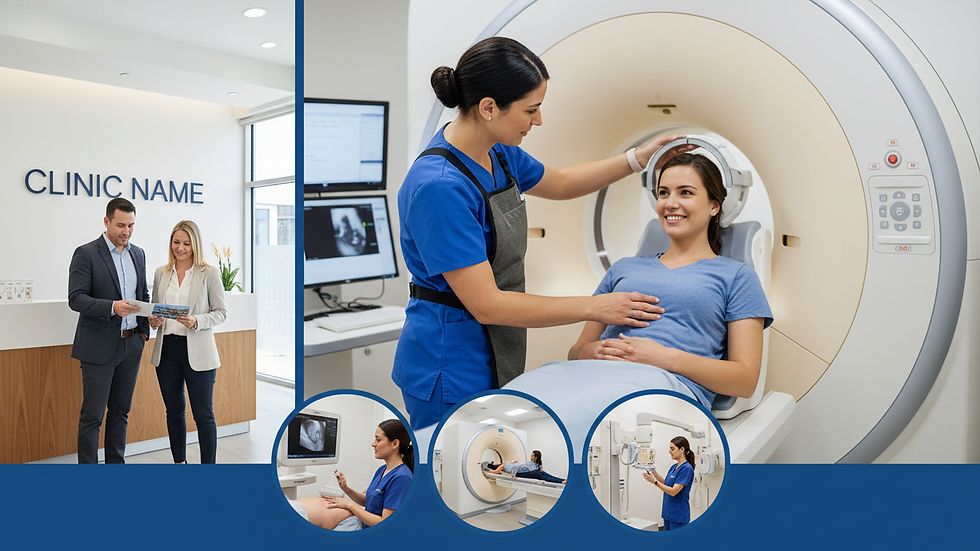
The Role of Technology in Modern Healthcare Recruitment
Technology is transforming how healthcare recruitment is conducted. From applicant tracking systems (ATS) to AI-driven candidate screening, these tools make the process more efficient and effective.
Applicant Tracking Systems (ATS)
ATS software helps recruiters manage large volumes of applications by:
Sorting candidates based on keywords and qualifications
Scheduling interviews automatically
Tracking communication history
This saves time and ensures no qualified candidate is overlooked.
Artificial Intelligence and Machine Learning
AI can analyze candidate data to predict the best fit for a role. It can also help reduce unconscious bias by focusing on skills and experience rather than demographics.
Virtual Interviews and Onboarding
Especially since the pandemic, virtual interviews have become standard. They allow facilities to:
Interview candidates from anywhere
Save on travel costs and time
Onboard new hires remotely with digital tools
Social Media and Employer Branding
Healthcare facilities can use social media to showcase their culture, values, and employee stories. This builds a strong employer brand that attracts candidates who align with the organization’s mission.
Embracing these technologies can give healthcare recruiters a competitive edge in attracting top talent.
What Healthcare Facilities Can Do Today to Improve Recruitment
If you’re involved in recruitment or management at a healthcare facility, there are practical steps you can take right now to enhance your recruitment efforts:
Audit Your Current Recruitment Process: Identify bottlenecks and areas for improvement.
Engage with Local Educational Institutions: Start building relationships if you haven’t already.
Invest in Technology: Explore ATS and other recruitment tools that fit your needs.
Develop Clear Job Descriptions: Be transparent about roles, expectations, and growth opportunities.
Promote Work-Life Balance: Highlight flexible scheduling and wellness programs in your job ads.
Create a Candidate-Centric Experience: Communicate promptly and provide feedback.
Support International Candidates: Offer resources to help with licensing and integration.
By taking these steps, healthcare facilities can position themselves as employers of choice in Ontario’s competitive market.
For more detailed insights and expert guidance, consider exploring Recruitment in Healthcare to connect with specialists who understand the unique needs of diagnostic imaging recruitment.
Looking Ahead: The Future of Healthcare Recruitment in Canada
The future of healthcare recruitment in Canada looks promising but requires adaptability. As technology advances and healthcare demands grow, recruitment strategies must evolve.
Increased Use of Data Analytics: Predictive analytics will help forecast staffing needs and candidate success.
Greater Focus on Employee Experience: Retention will become as important as recruitment.
Expansion of Remote and Hybrid Roles: Telehealth and remote diagnostics may open new recruitment avenues.
Enhanced Collaboration Across Sectors: Partnerships between healthcare, education, and government will strengthen talent pipelines.
By staying informed and proactive, healthcare facilities can continue to attract and retain the skilled professionals needed to deliver exceptional care.
Understanding healthcare recruitment strategies is key to building strong diagnostic imaging teams in Ontario. With the right approach, facilities can overcome challenges, leverage technology, and create a workplace that attracts top talent. The journey to becoming a leader in this specialized niche starts with smart, strategic recruitment.


Comments